A solid instructor package is the difference between a smooth, credible class and a long, awkward day where the gear gets in the way. In Canada, that difference shows up in details that are easy to overlook until you are in front of a room full of learners: bilingual materials, AED trainer pads that actually stick in winter, spare manikin lungs when the afternoon class is twice as hands-on as planned. The right bundle saves money and reputation, not just minutes.
I have packed rental vans at 5 a.m., taught in hockey rinks and boardrooms, and learned which items quietly earn their keep. If you are choosing among CPR instructor packages in Canada, start by understanding what is typically included, why each piece matters, and how to match a bundle to the courses you run.
What counts as a Canadian instructor package
Vendors use different labels, but most CPR instructor packages Canada wide are curated sets meant to equip one instructor to run a standard class without hunting for add-ons. They combine CPR training manikins Canada appropriate for adult, child, and infant modules, AED training equipment Canada that matches what students might see in malls or workplaces, and a core of emergency training equipment Canada for first aid scenarios. Better kits also include cases, consumables, and bilingual teaching materials aligned with Canadian curricula such as Canadian Red Cross, Heart and Stroke, or other recognized providers.
The best packages are built for Canadian conditions. That shows up in two places: compliance and logistics. Compliance means meeting provincial workplace regulator expectations for content, and using materials that reflect Canadian emergency numbers, public access defibrillator signage, and drug names. Logistics means parts and consumables are available domestically, so you are not waiting six weeks for lungs and valves to clear customs.
Typical contents at a glance
- CPR manikins for adult, child, and infant practice, with lungs, faces, and carry bags AED trainer units with adult and pediatric pads, remote, and scenario cards Barrier devices and basic first aid training kits, including bandages and splints Instructor resources such as manuals, media access, and evaluation tools, often bilingual Cases, mats, cleaning supplies, and spare consumables sized for a full-day course
Those five lines cover the categories. The value appears when you look one layer deeper.
The heart of the room: manikins that actually teach
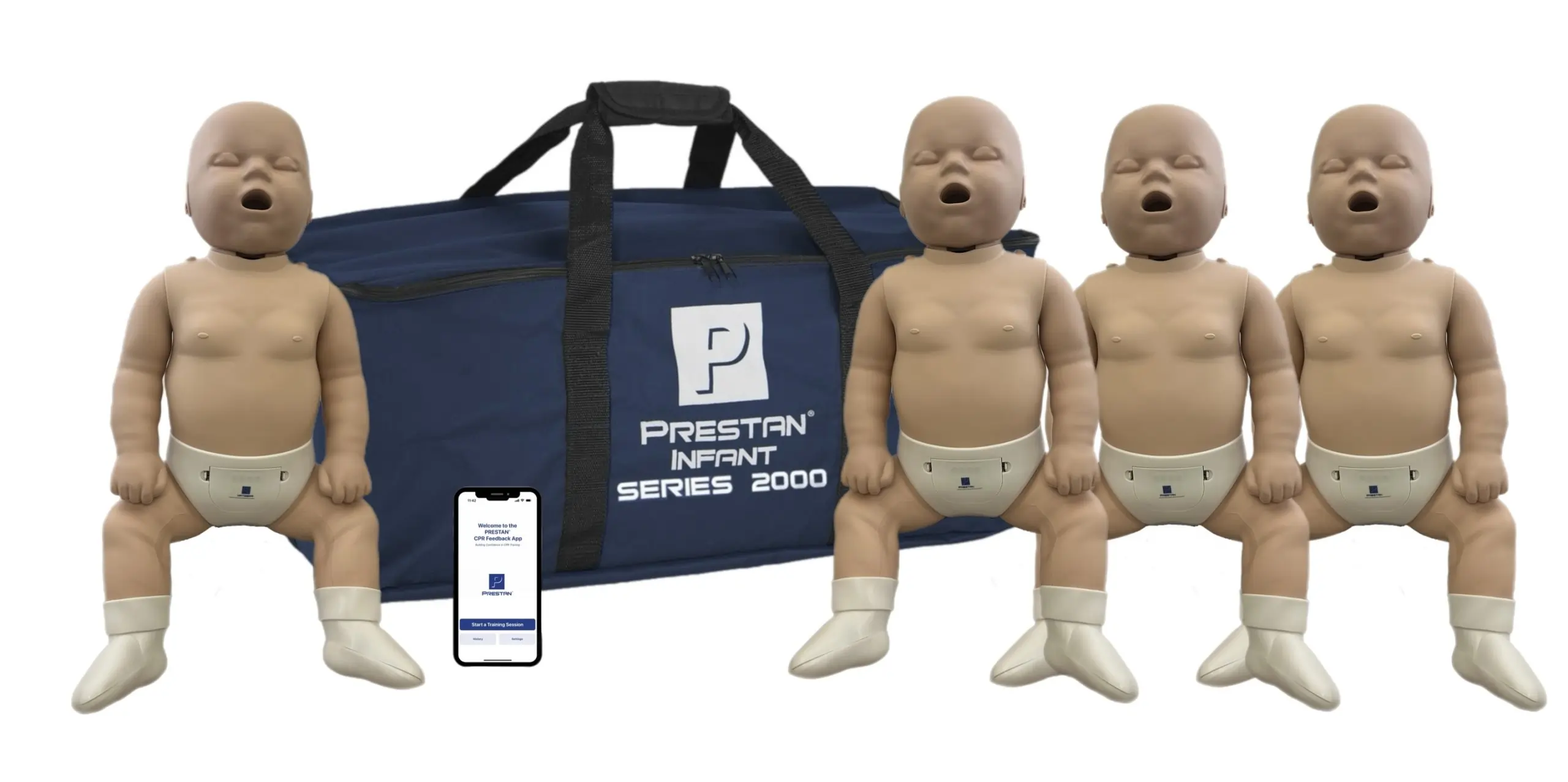
Manikins do most of the heavy lifting in a CPR class. The baseline question is quantity. For adult CPR, a common ratio is two learners per manikin. If you run 12 to 16 participants, you want 6 to 8 adult torsos. For child and infant, four or more total units across the room lets you rotate groups without dead time. Some instructors rely on a single infant passed around, and it shows in the pace.
Feedback is the other big lever. Entry manikins ask learners to trust your eye for depth and recoil. Feedback manikins add lights or Bluetooth metrics to show compression depth, rate, and release in real time. In Canada, many corporate clients now ask for objective performance data because their internal safety audits demand it. A set of three to four feedback adult manikins paired with standard torsos is a practical balance. Use the feedback units for skills testing and coaching, then spread the load across standard units for practice rounds.
Small details matter. Replaceable faces make cleaning faster between learners. Clip-in lungs save minutes compared with threading single-use bags. Lower torsos with realistic feel help learners commit to proper depth - a spring that bottoms out too soon creates bad habits. If you teach in winter, keep a baggie of manikin O-rings and a dab of food-grade lubricant. Plastic stiffens in cold vehicles, and a stubborn valve can knock your setup ten minutes off schedule.
Cost planning is easier if you know lifecycle patterns. For a mid-volume instructor running two classes a week, expect to replace lungs every class or two, faces a few times per year, and torsos every 3 to 5 years. A box of adult lungs runs in the tens of dollars, not hundreds, but you burn through them quickly if your classes are large. Good CPR and first aid training kits include at least a semester’s worth of lungs and valves to avoid mid-season reordering.
Finally, think about language and labeling. Some CPR training manikins Canada come with bilingual quick-start guides and pictograms that align with Health Canada and Red Cross visuals. This is helpful when you teach in Quebec or bilingual workplaces where handouts and labels must be in both English and French.
AED trainers that reflect the real world
AED training equipment Canada is not a single thing. You have two choices: trainer-only units and live AEDs. For classroom work, use trainer units that simulate prompts and shock delivery. They are lighter, cheaper to maintain, do not require Health Canada medical device licensing in your possession, and are safer for novices. Quality trainer units allow you to switch scenarios such as shockable vs non-shockable rhythms, low battery, and pad replacement mid-scenario.
Look for AED trainers that mimic common public devices: Zoll, Philips, HeartStart, Lifepak, or Heartsine styles. People recognize voice prompts and layout when they later face a real cabinet in an airport. If your clients have standardized on a brand, get that trainer faceplate to match. Most good packages include at least two trainers, one remote, and both adult and pediatric pads. The pediatric feature can be either a separate pad set or a key or button that changes energy settings. Even in adult-only courses, showing pediatric capability answers the question that always comes up.
Pads are more than stickers. Some adhesives fail on certain manikin skins, especially if wiped with alcohol. Trainers that use foam-backed reusable pads last longer and do not curl at the edges. Keep at least one spare set per trainer. Batteries are another hidden cost. Rechargeable trainer batteries cut lifetime cost but need charging discipline. If you travel to rural sites, carry a AA or AAA battery tray as backup. When a trainer battery dies in the first hour, the class feels it.
Where live AEDs fit in: a few instructors carry one real AED to demystify the unit and to cover the room while teaching. That is fine, but do not shock on a manikin with a live unit. If you transport a live AED, check provincial expectations for having up-to-date pads and consumables. Live units and consumables are subject to the Canada Medical Devices Regulations. For classroom needs, a trainer does the job.
The overlooked workhorses: first aid and scenario gear
Emergency training equipment Canada runs the gamut from simple triangular bandages to oxygen training regulators. You can teach core CPR without extras, but realistic first aid scenarios change learner retention. The essentials are small and inexpensive: nitrile gloves in varied sizes, pocket masks or face shields with one-way valves, and alcohol-free wipes. Most CPR instructor packages Canada include a basic set, but the better ones size quantities for a full-day blended course, not a short recert.
If you also deliver blended first aid, splints and tourniquets matter. Aluminum foam splints that you can mold repeatedly are durable. A designated training tourniquet, clearly marked to avoid field use, teaches bleeding control without damaging the strap over time. Wrist and ankle wraps, roller gauze, and a couple of elastic bandages let you vary scenarios. Epi auto-injector trainers are a must in workplaces, and a naloxone trainer is increasingly expected for community programs.
Oxygen and BVM practice has a learning curve. For most public CPR classes, a training BVM and a demonstration oxygen regulator are enough. If you run advanced care modules, invest in regulators with Canadian outlet standards and training cylinders clearly marked for classroom use. Ask your vendor for CSA or CGA compatibility details so you are not stuck with adapters on day one.
Moulage kits, or even simple makeup and simulated blood, help you avoid the whiteboard-only fracture talk. One instructor I know uses a zippered pencil pouch with a small tube of fake blood, a stick-on laceration, and gauze. Ten dollars, five minutes of prep, and the room engages. It is not about drama, it is about memory.
Teaching materials that fit Canadian curricula
Instructor packages often bundle teaching rights and materials licensed for Canada. That can include digital video access that meets bilingual and accessibility expectations, instructor guides aligned with Canadian Heart and Stroke Foundation or Canadian Red Cross modules, and printable skill sheets. In Quebec or federal workplaces, bilingual content is not a nice-to-have. Plan to hand out both English and French learner resources, or choose a kit that includes them.
It also pays to ask how updates happen. Guidelines evolve every five years or so. Does your package include automatic updates to digital materials, or do you buy a new code each cycle? Can you stream videos offline for a mine site with no connectivity? A good vendor will answer before you ask, and give you a test login before you commit.
Recordkeeping is part of the job. Packages that include electronic assessment tools or templated evaluation forms save time and protect you if a question comes up after a class. Make sure your tools align with your certifying body’s requirements and your provincial regulator’s expectations for training records. Store attendance and assessment forms securely. Even small training shops should treat learner data like any other sensitive record.
The unglamorous gear that protects your time
Mats and cases do not appear on glossy spec sheets, but they shape your day. Teaching on concrete floors without mats distracts learners and shortens practice cycles. Interlocking foam squares weigh little and fit in a tote. Carrying cases with wheels save shoulders in long hallways. Color code bins: blue for lungs and valves, red for masks, green for cleaning. In winter, a boot tray by your gear table spares your mats from slush.
Sanitization norms have settled since the peak of pandemic restrictions, but learners still care. Pack fragrance-free wipes, 70 percent isopropyl sprays for surfaces, and extra lungs to rotate quickly. If you use feedback manikins with shared devices, have a plan for wiping tablets or remotes between groups. A tidy sanitization routine earns trust before you say a word.
Consumables and the math of lifecycle cost
Upfront price tags hide a lot. The real question is what you will spend in the next two years. Manikin lungs, face shields, AED trainer pads, batteries, and cleaning supplies drive your recurring cost. A starter bundle that looks cheap can burn money if consumables are pricey or hard to find in Canada.
As a rough guide for a 12 person course:
- Adult lungs: 12 to 24 pieces, depending on whether you switch each learner or each station Infant lungs: 6 to 12 pieces Face shields: one per learner, plus a few spares AED trainer pads: one set per trainer per day, plus one spare set in your case Wipes and gloves: at least two boxes of gloves per month for steady schedules
Shipping in Canada matters. Consumables stored in an unheated garage can become brittle. Order before December if you teach heavily in January and February. Ask vendors about cold chain sensitivity for adhesives on trainer pads. Some include winter-friendly formulas, others do not.
Matching package tiers to the classes you teach
Vendors often sell packages in tiers. The labels change, but the patterns are familiar. The right tier depends on your class size, course mix, and how much you want tech to carry coaching.
- Compact starter: three to four adult manikins, one infant, one AED trainer, basic first aid kit, and minimal consumables. Works for small recerts or community groups up to six learners. You will outgrow it quickly if you land corporate clients. Core professional: six to eight adult manikins with two feedback units, two to three infants, two AED trainers with pediatric capability, expanded first aid trainers, bilingual materials, mats, and a semester of consumables. This fits most independent instructors running 8 to 16 learner classes across provinces. Mobile team bundle: ten or more adult manikins with mixed feedback features, multiple infants, three or four AED trainers, robust scenario gear including tourniquet trainers and splints, oxygen training kit, rolling cases, and digital assessment tools. Suits training companies sending two instructors to larger worksites.
When vendors let you swap items, prioritize manikin count and AED trainer quality over exotic extras. You can add moulage or extra splints later. It is hard to fake an additional AED trainer when you have two groups waiting to rotate.
Canadian compliance and expectations
Across provinces, workplace regulators reference recognized providers and national guidelines, but details vary. In Ontario, WSIB maintains a list of approved providers for workplace first aid. In Alberta and Saskatchewan, OHS codes outline content and durations. WorkSafeBC cares about alignment with current resuscitation guidelines and approved providers for occupational first aid. For pure CPR without workplace first aid, your certifying body’s requirements drive the curriculum.
Translate that into gear through two lenses: content coverage and documentation. If your market is regulated workplaces, make sure your package supports full CPR and first aid courses that meet that province’s standard, not just lay rescuer CPR. That means your emergency training equipment Canada should include splinting and bleeding control, and your teaching materials should map to the required learning outcomes.
Language is a real factor. In Quebec and in federal workplaces across the country, bilingual delivery and materials are often expected. Choosing CPR and first aid training kits that include French and English manuals and handouts saves you from scrambling later.
Finally, think about liability and insurance. Use trainer-only AEDs for practice to avoid any suggestion of delivering a live shock. Mark training tourniquets and oxygen gear clearly. Keep proof of equipment maintenance and cleaning routines. If you subcontract instructors, specify equipment standards in your agreements.
Buying smart in Canada
Parts availability is where good packages separate from the pack. Before you buy, ask three questions: how quickly can I get replacement lungs and pads in Canada, who services feedback manikins domestically, and what is the warranty turnaround time. A three year warranty is common for manikins, with one year on electronics. Faster is better than longer if service is local.
Importing gear yourself can save money, but remember GST or HST on import, brokerage fees, and the chance of delays. A Canadian distributor who stocks consumables and honors warranties can be worth the margin. If you buy from a U.S. Vendor, confirm that your AED trainer power supplies and battery packs are CSA or cULus listed, not just generic.
Ask for a demo or trial. Many distributors host short hands-on days. Five minutes compressing on two different manikins tells you more than an hour of YouTube. Bring gloves, try swapping lungs, pair the app if the unit is Bluetooth enabled, and listen to how loud the clicker is in a real room. Quiet is a virtue when two groups practice side by side.
Price ranges vary, but as a ballpark for a core professional tier: a set of six adult torsos, two infants, two AED trainers, first aid trainers, mats, and consumables for a semester can run in the low to mid thousands of dollars. Add a few feedback manikins and you move to the high single thousands. Spread that against your expected number of classes, and the per-learner cost typically lands well under the price of one seat.
A classroom story that still guides my packing list
Years ago, I taught a blended CPR and first aid class for a manufacturing client in the Prairies. I brought four adult manikins, one infant, a single AED trainer, and two boxes of lungs. The site safety lead walked in with a roster of 18 names. Two supervisors had added their shifts at the last minute.
We split the room into three circles. Practice bottlenecked at the AED station. People waited, drifted, and side conversations grew. Halfway through the morning, the AED trainer battery CPR supply store Canada died. I had no spare tray for alkalines. We improvised, but the pace never recovered.
Three changes fixed that on future trips. I added a second AED trainer and a dry battery tray, bumped adult manikins to seven, and packed a ziplock with 50 extra lungs and valves. Those three items lowered my stress more than any tech feature I have bought since. When I price a package today, I look first at counts, not gadgets.
Care, storage, and cleanliness without wasted minutes
Manikins last years if you treat them well. Store them dry, not sealed damp in a tote. If you teach daily, rotate torsos so gaskets and springs rest. After class, pop the lungs, wipe with a mild cleaner that the manufacturer approves, and leave the faceplates open to air. Avoid alcohol on soft plastics unless the manufacturer lists it as safe. Alcohol can cloud some face shields and harden O-rings.
Infant manikins collect the most grime on hands and feet. Baby wipes work, but finish with a sanitizer rated for your specific material. Label your carry bags with your phone number. In community halls, gear walks. A piece of tape inside the bag with your name brings it home most of the time.
For AED trainers, close the pad pouches to keep dust away from adhesives. If a pad starts to curl, use it for demos and save the fresh set for rotations. Recharge batteries promptly. A small power bar and a labeled charger bag prevent last minute hunts. When teaching in very cold spaces, bring trainers inside first and let them warm up before sticking pads on manikins, or adhesives will fail.
Tech in the room: feedback apps and the reality of Bluetooth
Feedback manikins with apps offer strong coaching. Compression depth traces, rate meters, and team scores change how people learn. They also add pairing steps and battery levels to manage. In older buildings with lots of Bluetooth devices, pairing can fail or drop. The workaround is simple: pick one brand for all feedback units, update firmware at home, and name devices clearly so you can pair quickly. Keep a laminated cheat sheet in the case with screenshots for reconnecting.
Privacy is part of the tech conversation. If you save session data, know where it lives. Many apps default to local-only storage, which is safest. If you teach for a corporate client that wants performance reports, get written expectations about what you collect and how you retain it. Use device PINs. The class is not the place to hash out data policy.
Making your package pay for itself
A package that fits your workflow earns back its cost. It lets you run on time, handle surprise class sizes, and deliver consistent quality that turns first timers into repeat customers. It also reduces your prep per class. When consumables are pre-counted into small bags, when your mats unfold in a known pattern, when your AED trainer remote is always in the same pocket, you spend your brainpower on coaching, not on logistics.
If you are deciding between two bundles, ask yourself two questions. First, how many learners do I want to handle smoothly right now, not in a perfect world. Second, which consumable or spare will I wish I had in my hand at 10:15 a.m. With those answers, compare the packages. The one that makes those two moments easy is your pick.
A short maintenance rhythm that keeps classes smooth
- Before you leave: count lungs and valves into small zip bags, test AED trainers, charge feedback units, and pack at least one spare of each critical consumable On arrival: warm up AED trainers if you traveled in cold, lay mats, and set one extra manikin as a swap unit Midday: wipe faces, swap lungs, rotate groups through feedback stations, and check battery levels After class: remove lungs, wipe manikins, close pad pouches, and log consumable use for reordering Monthly: inspect O-rings and gaskets, update app firmware, and test spare batteries and remotes
This light routine prevents those two or three predictable stumbles that make a day feel hard.
The bottom line for Canadian instructors
Instructor packages are more than a price point. They are a bet on how your day will go and how your learners will remember it. Prioritize enough CPR training manikins Canada to keep pairs moving, AED training equipment Canada that mirrors what people will actually meet on a wall, and emergency training equipment Canada that lets you run realistic first aid scenarios without scavenging. Choose CPR and first aid training kits with consumables you can replenish quickly in Canada, and with bilingual materials if you teach where that matters.
If you are new, resist the temptation to buy everything. Get the counts and the core right, then add. If you are upgrading, invest first in a second or third AED trainer and in feedback manikins where you do formal skills testing. The rest follows.
The right package does not call attention to itself. It makes space for you to coach, correct, and calm people who walked in worried about not doing it right. When your gear simply works, learners leave confident. That is why the details matter.